
 English
 Français
 Español
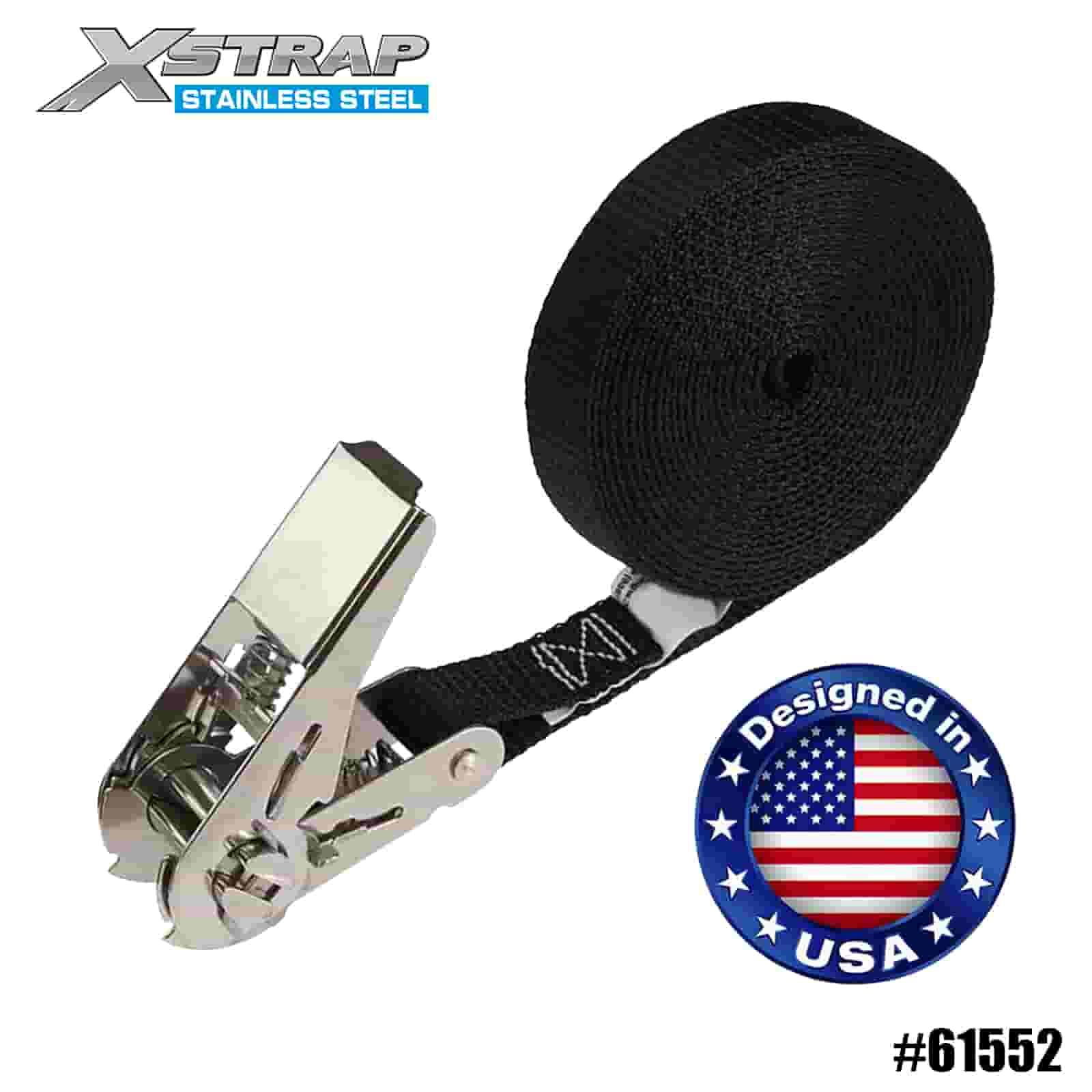
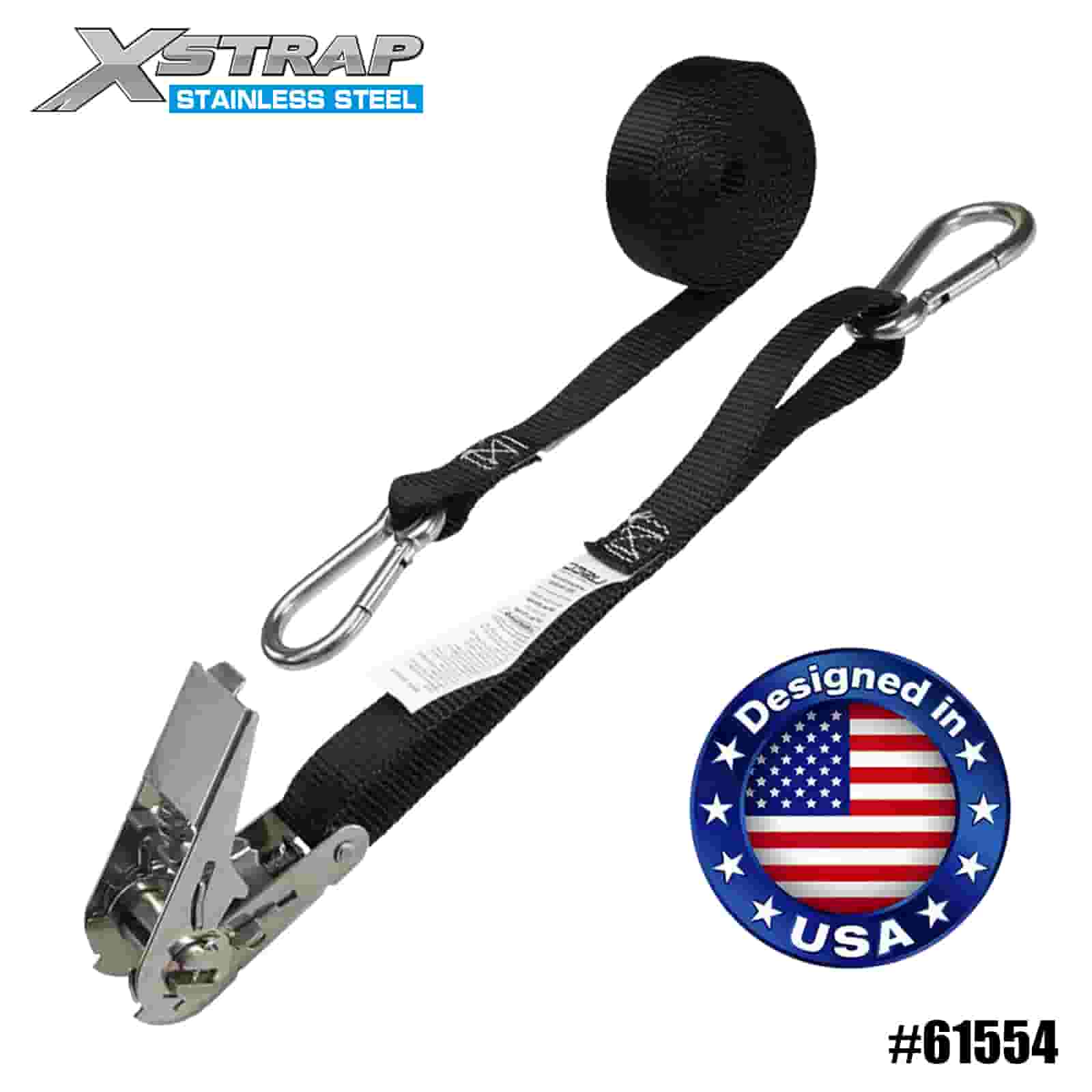
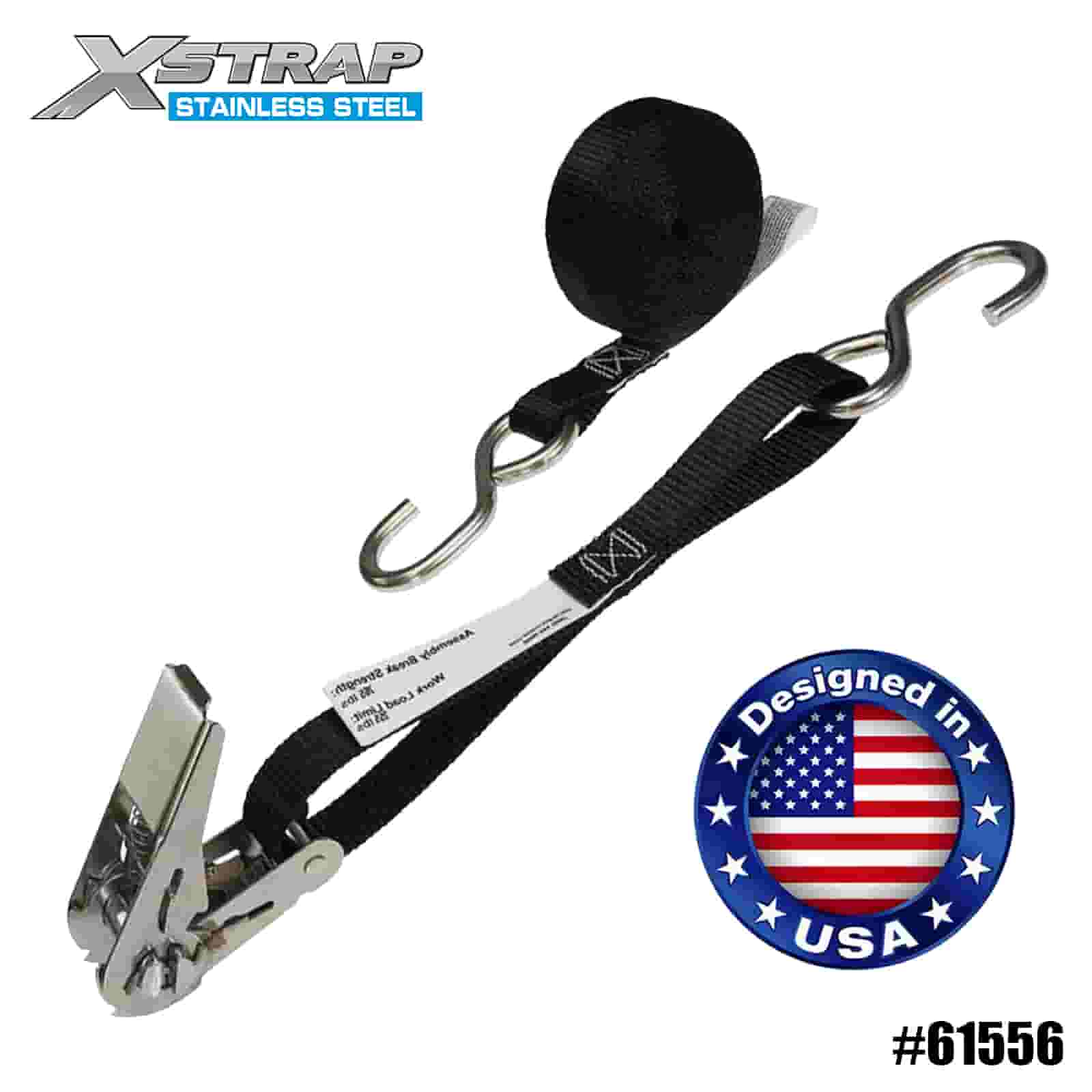
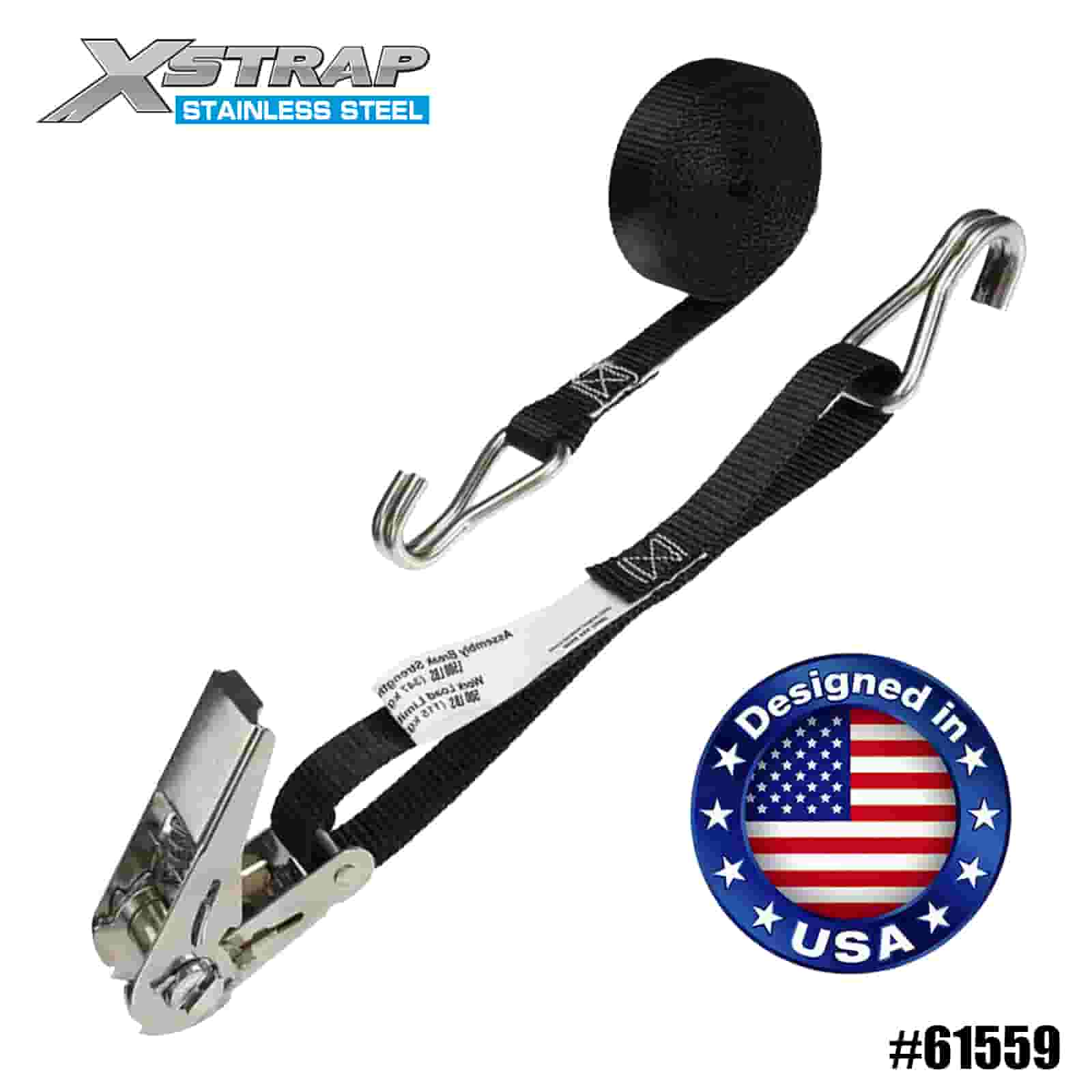
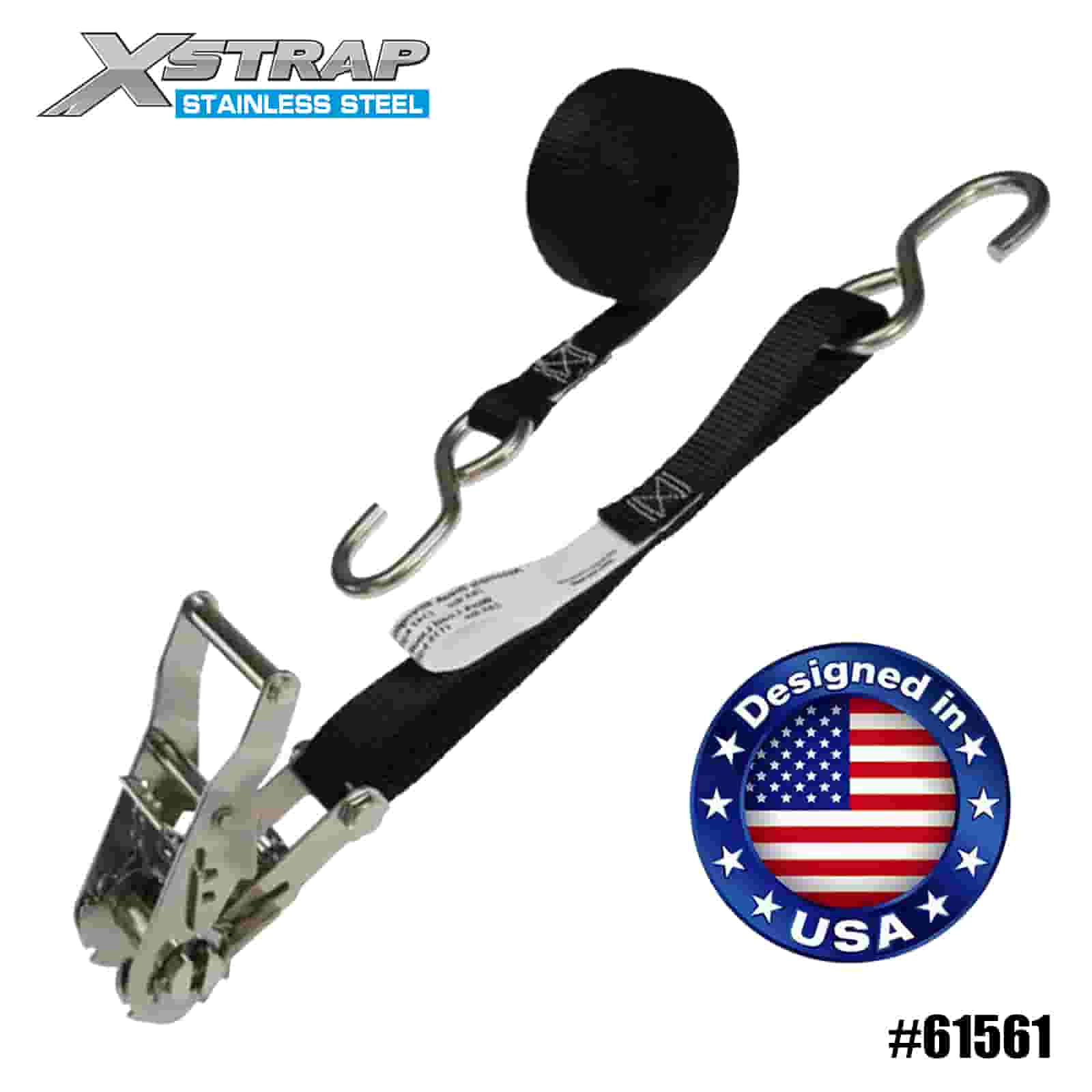
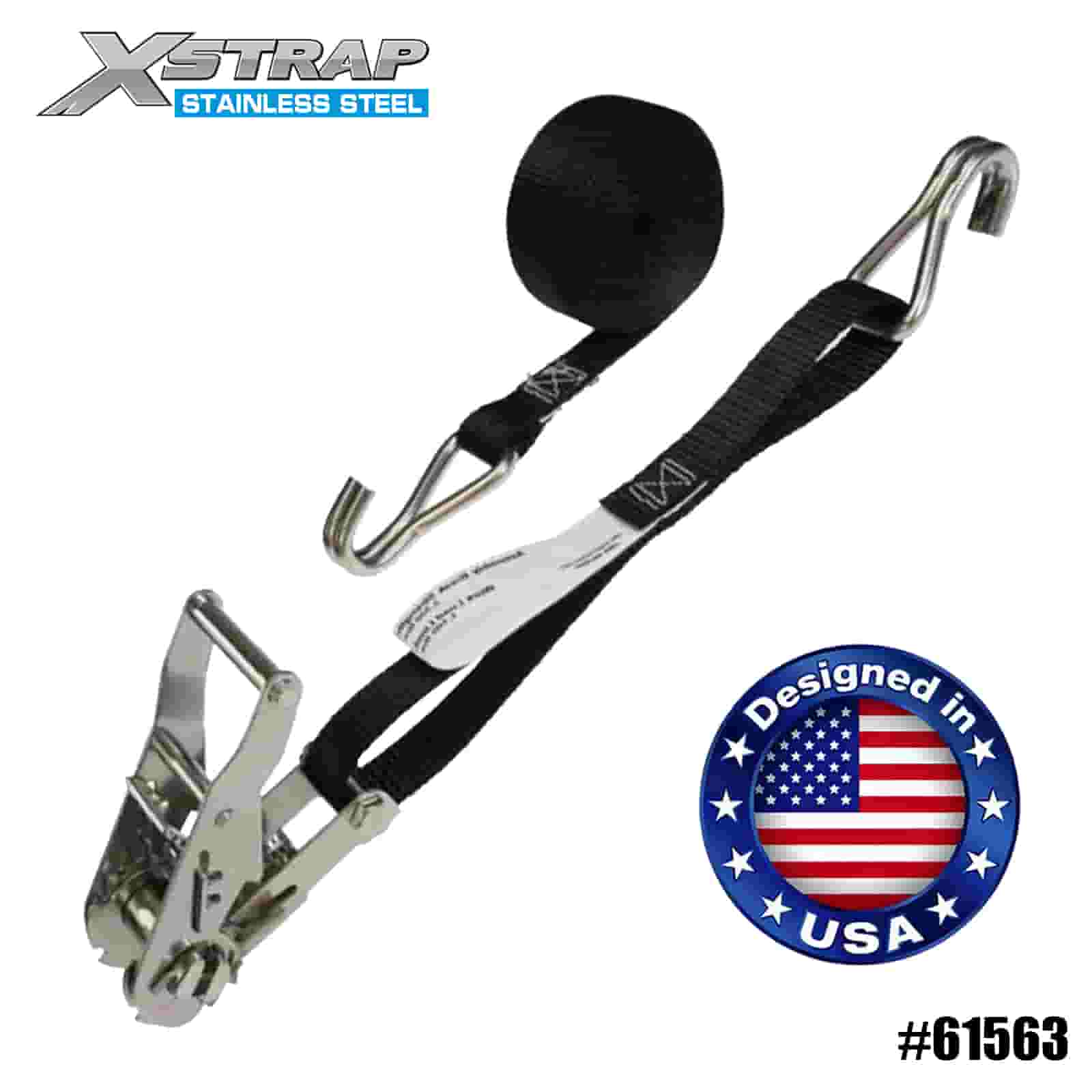
Depuis sa création en 2002, Zhangjiagang SMK MFG. Co., Ltd. a spécialisé dans les produits de sécurisation et de contrôle de fret, avec plus 20 ans d'expérience en R&D et en exportation mondiale. L'entreprise est un fabricant en Chine de Arrimage industriel en acier inoxydable et une Fournisseurs personnalisés de Arrimage industriel en acier inoxydable, et exploite trois usines ainsi qu'un centre d'entrepôt à grande échelle, formant un réseau d'approvisionnement international efficace.
La gamme de produits de SMK comprend des sangles d'attachement, des cordons élastiques, des sangles de remorquage, des élingues de levage, des palans et des accessoires 4x4, largement utilisés dans les secteurs de transport, de logistique, de plein air et industriel. Sa marque interne XStrap jouit d'une forte reconnaissance sur les marchés mondiaux, aux côtés de flexible Services OEM / ODM pour les besoins personnalisés.
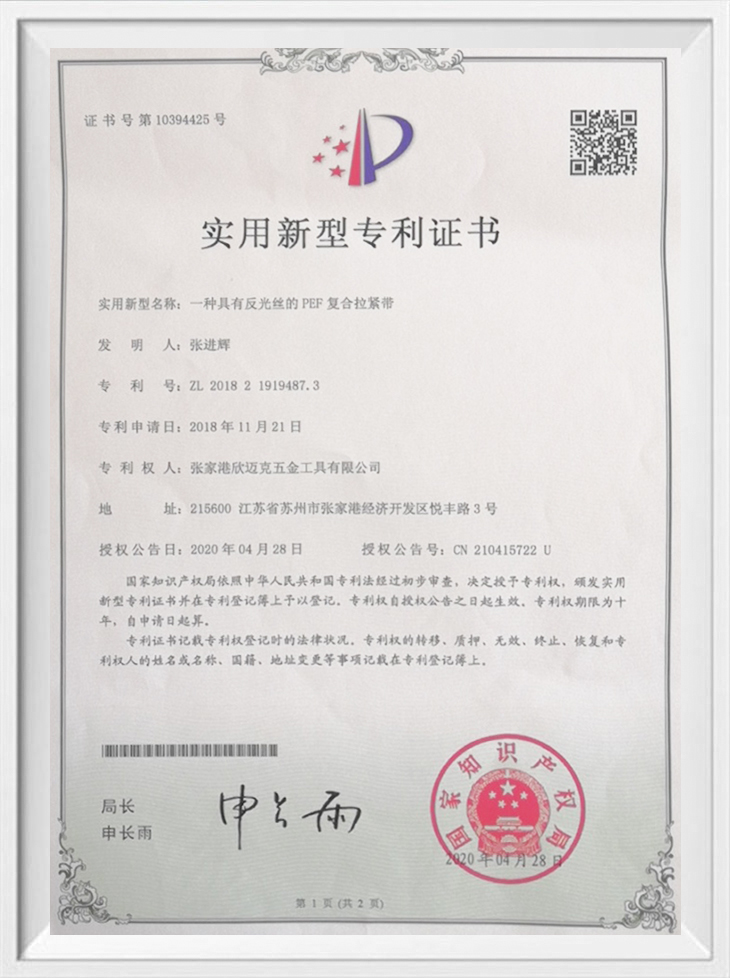
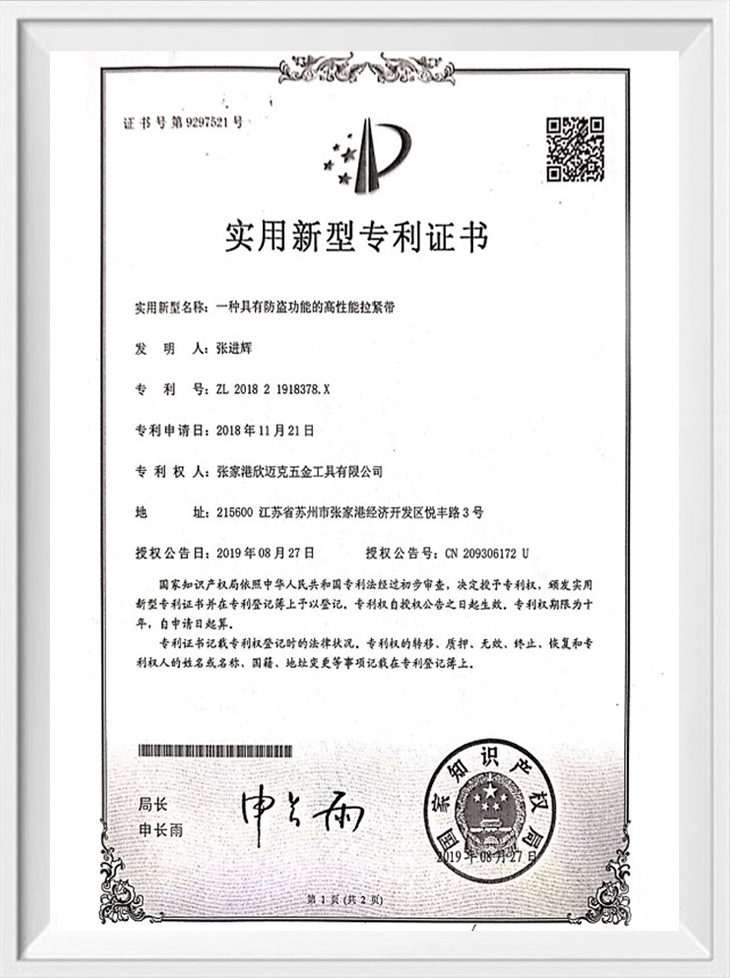
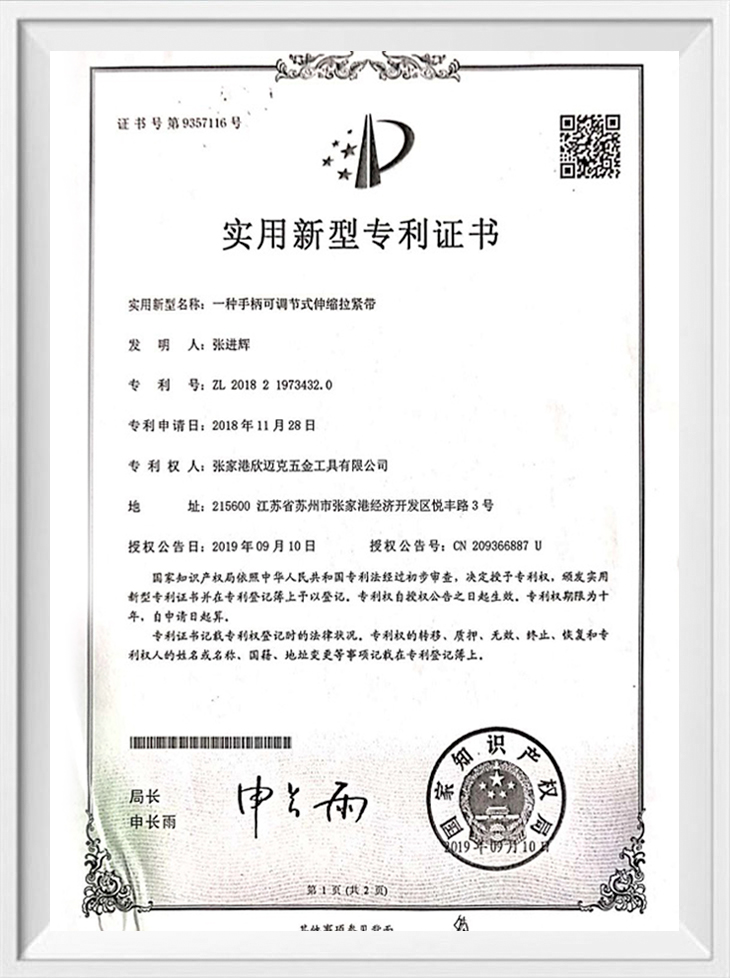
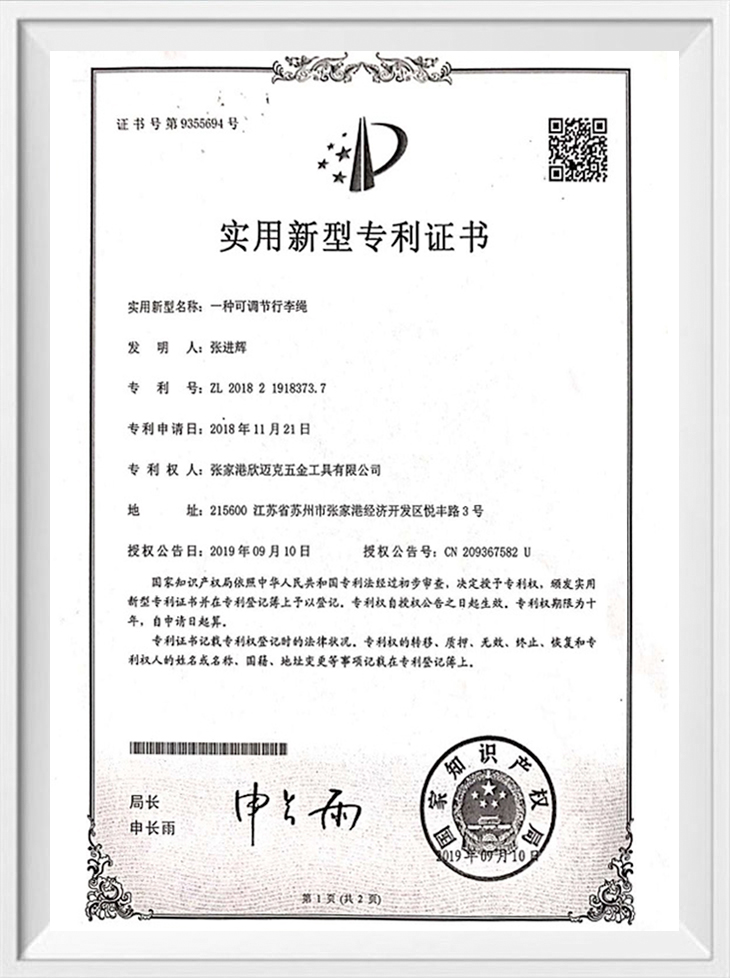
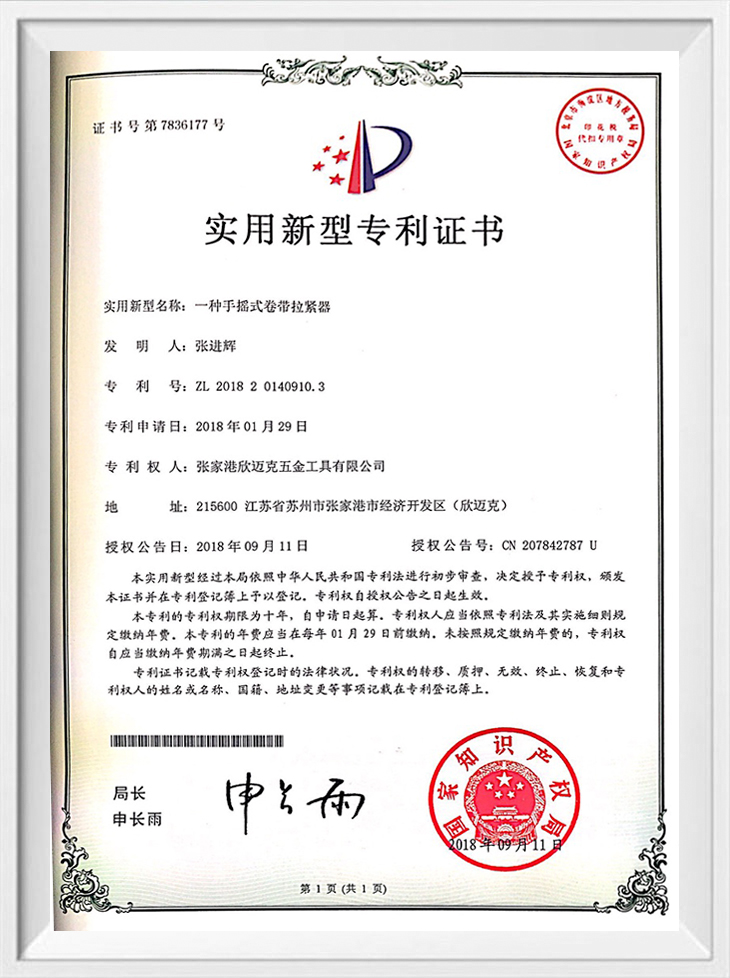
Avec plus de 8 000 m² d'espace de production, SMK est équipé de lignes automatisées avancées et de laboratoires de tests internes, assurant un contrôle de qualité complet des matières premières aux produits finis. La société est certifiée ISO 9001, Smeta audité et a passé des inspections antiterroristes C-TPAT et plusieurs certifications GS et brevets.
Pour l'avenir, SMK continuera de mettre à niveau ses systèmes de contrôle des cargaisons, de rester proches des besoins des clients et de fournir des produits et services efficaces de haute qualité dans le monde.
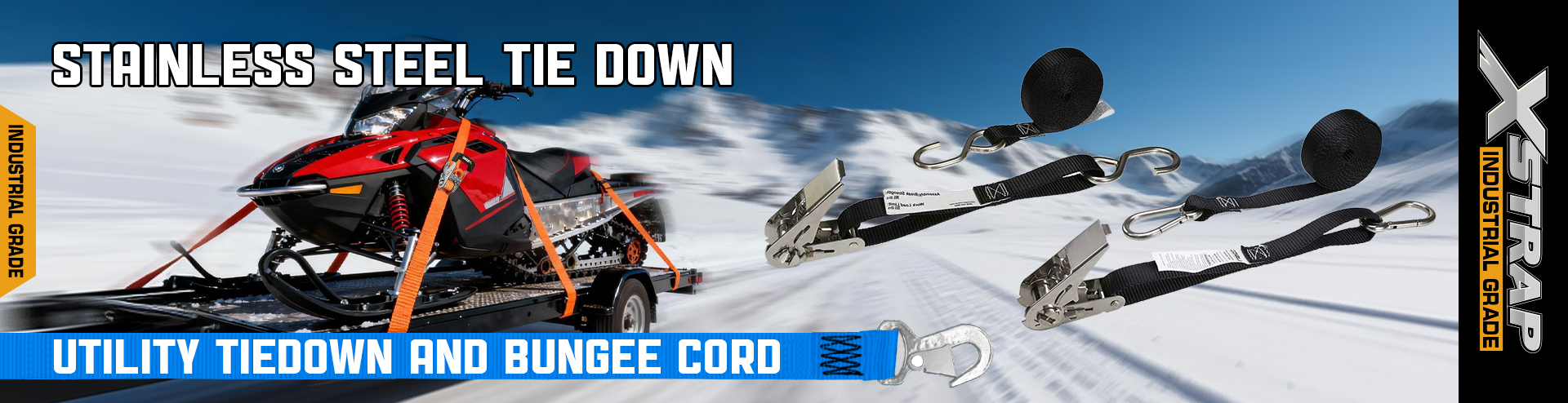
Accueil / Produits / Cordon d'arrimage et élastique polyvalent / Arrimage industriel en acier inoxydable
Produit
-
Nouveaux produits
- Solutions de plateau lisse
- Solutions pour l'intérieur de fourgon
-
Cordon d'arrimage et élastique polyvalent
-
Promotion d'arrimage à cliquet
-
Arrimage industriel
-
Arrimage de moto industrielle
-
Attache industrielle pour VTT UTV
-
Arrimage industriel en acier inoxydable
-
Attache de tente industrielle
-
Sangles de bateau
-
Sangle De Fixation À Cliquet À Charge Légère
-
Sangle De Fixation À Cliquet À Charge Standard
-
Sangle De Fixation À Cliquet À Charge Lourde
-
Sangle De Fixation À Cliquet À Charge Extra-Lourde
-
Cordon élastique
-
Promotion d'arrimage à cliquet
-
Solutions de transport et de remorquage de véhicules
-
Sangles De Transport De Véhicules
-
Sangles d'arrimage de voiture
-
Sangle de rechange pour arrimage de voiture
-
Sangles de panier de chariot de remorquage
-
Filets de roue
-
Sangles de récupération
-
Sangles et cordes de remorquage
-
Sangle de remorquage à cliquet et sangle de remorquage V Bridle
-
Extracteur et accessoires de remorquage Come Along
-
Sangles De Transport De Véhicules
-
Sangle
- Matériel d'arrimage
-
Attache et cordon élastique certifiés TUV&GS
-
Remorquage et gréement
-
4×4 tout-terrain et remorques
contact
Vente en gros et fabrication de Arrimage industriel en acier inoxydable de qualité grand public
Profil de l'entreprise
Zhangjiagang SMK MFG. Co., Ltd.
Nouvelles
-
Face à la demande toujours croissante du marché, Xstrap Company a toujours maintenu un rythme d'expédition très efficace, garantissant les besoins des clients ave...
EN SAVOIR PLUS -
CCBEC(China (Shenzhen) Cross-Border E-Commerce Fair) is currently one of the largest and most influential professional exhibitions in the field of cross-border e-co...
EN SAVOIR PLUS -
Verified Supplier is the highest level membership on Alibaba.com. The platform conducts comprehensive verification—through both online document review and on-site f...
EN SAVOIR PLUS
Certificat d'honneur
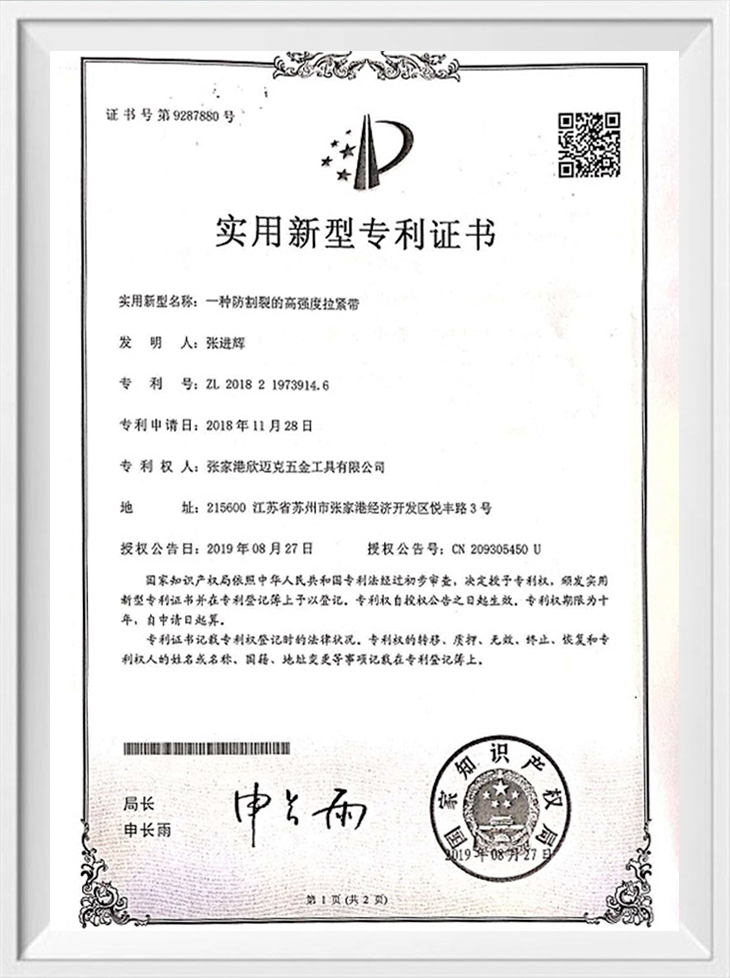
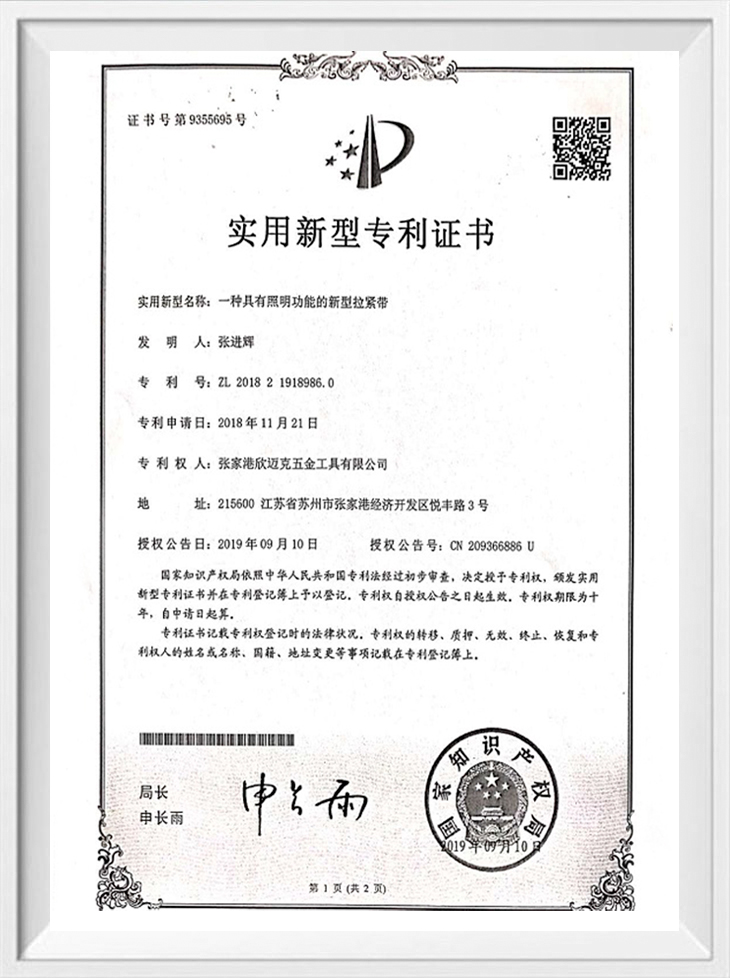
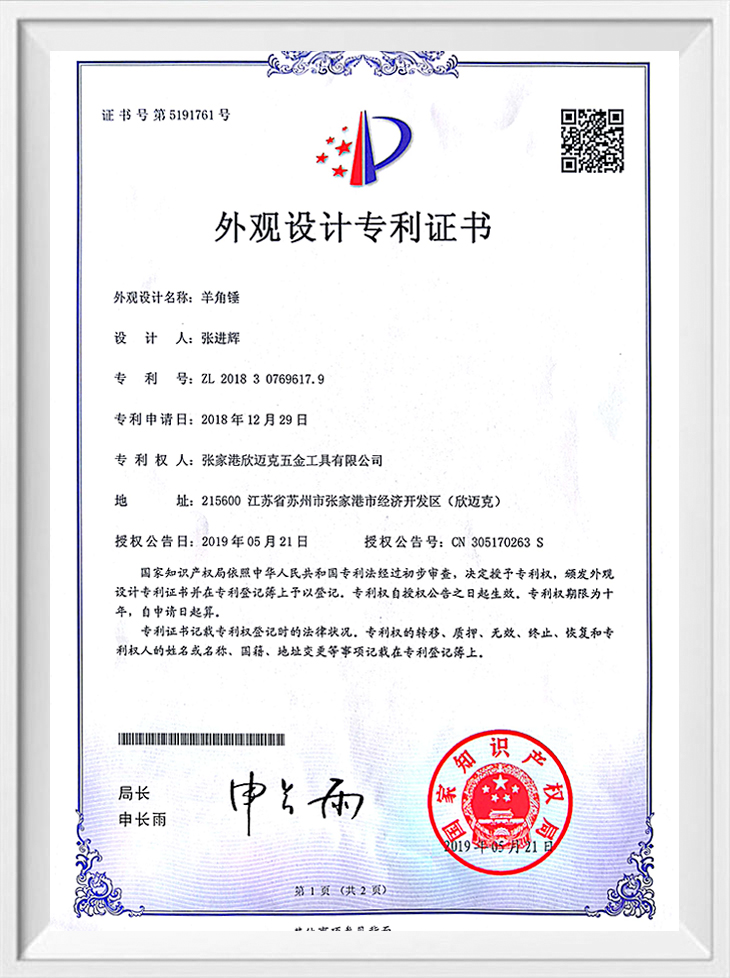
Connaissances de l'industrie de Arrimage industriel en acier inoxydable
Pourquoi l'arrimage en acier inoxydable est le premier choix pour les tâches de fixation lourdes ?
Dans le domaine du transport logistique moderne et de la fixation industrielle, la sécurité et la durabilité sont les paramètres essentiels pour évaluer les systèmes de renforcement. En tant qu'expert de premier plan en matière d'arrimage et de contrôle des marchandises, Zhangjiagang SMK MFG. Co., Ltd. , avec plus de 20 ans d'expérience dans l'industrie, a découvert que même s'il existe de nombreux matériaux de fixation, le Unttache en acier inoxydable reste la solution ultime pour les environnements extrêmes et difficiles.
Définition et structure physique de l'arrimage en acier inoxydable
Un Unttache en acier inoxydable fait généralement référence à un système de fixation composé d'une bande en acier inoxydable à haute résistance et d'un mécanisme de verrouillage de précision, tel qu'un système de verrouillage à bille ou un mécanisme à cliquet. Contrairement aux sangles traditionnelles en nylon ou en polyester, ces appareils sont entièrement fabriqués en métal. Leur principal avantage réside dans l’utilisation du module d’élasticité élevé et des excellentes performances de traction de l’acier inoxydable pour garantir qu’aucune déformation physique ne se produise sous des charges élevées.
Sur les lignes de production de Zhangjiagang SMK MFG. Co., Ltd. , chaque Unttache en acier inoxydable subit des tests de performance physique rigoureux. Sa structure comprend généralement :
- Bande d'acier à haute résistance : Présente des bords arrondis pour éviter de rayer les câbles ou la cargaison pendant le processus de serrage.
- Tête autobloquante : Utilise une conception interne unique de verrouillage à bille pour obtenir un verrouillage unidirectionnel, garantissant qu'il ne se desserre pas même en cas de vibrations à long terme.
Unvantages des matériaux de base : une barrière contre la corrosion
Les fixations ordinaires en acier au carbone s'oxydent et rouillent facilement dans des environnements humides ou salins, entraînant une défaillance structurelle. La principale force du Unttache en acier inoxydable réside dans l’élément chrome présent dans le matériau, qui forme une couche d’oxyde passive dense et auto-réparatrice lors de l’exposition à l’atmosphère.
- Résistance à l'oxydation : Même dans des environnements extérieurs à long terme avec soleil et pluie, le Unttache en acier inoxydable conserve son aspect argenté brillant et son intégrité structurelle interne.
- Stabilité chimique : Face aux solvants acido-basiques ou aux gaz résiduaires industriels, l'acier inoxydable présente une forte inertie, ce qui en fait le choix préféré des usines chimiques, des laboratoires et autres installations spécialisées.
Unssurance de sécurité : stabilité au-delà des limites
Pour le transport longue distance de marchandises de grande valeur, la sécurité ne peut être compromise. Le Unttache en acier inoxydable fourni par Zhangjiagang SMK MFG. Co., Ltd. offre des garanties de sécurité que les matériaux traditionnels ne peuvent égaler dans les dimensions suivantes :
1. Résistance aux hautes températures : Les attaches en nylon commencent à se ramollir au-dessus de 80°C, alors que la limite supérieure de température de travail pour un Unttache en acier inoxydable peut généralement dépasser 500°C, ce qui le rend adapté aux tuyaux d'échappement automobiles ou aux périphéries de chaudières industrielles.
2. Résistance aux UV : Les matériaux polymères subissent un vieillissement par photo-oxydation sous exposition aux UV, conduisant à une fragilité et à une casse. L'acier inoxydable est totalement insensible aux dommages causés par les UV, avec une durée de vie pouvant atteindre 10 à 20 ans.
3. Résistance à la destruction : Le matériau métallique possède une résistance extrêmement élevée aux coupures, empêchant efficacement le démontage illégal ou le rongement par des animaux sauvages.
Classification de base et structure de l'arrimage en acier inoxydable
Pour répondre aux besoins personnalisés des clients mondiaux dans divers scénarios, Zhangjiagang SMK MFG. Co., Ltd. a établi un programme complet Unttache en acier inoxydable matrice de produits. Comprendre différentes conceptions structurelles aide les utilisateurs à sélectionner la solution la plus rentable en fonction des conditions de travail réelles.
Type de verrouillage à bille
C'est le type de Unttache en acier inoxydable . Son principe implique une bille en acier inoxydable rectifiée avec précision intégrée dans la tête de verrouillage, qui utilise la friction pour obtenir un verrouillage instantané.
- Scénarios d'application : Stations de base télécoms, installations de panneaux de signalisation et regroupement de câbles.
- Unvantages : Installation extrêmement rapide, profil fin et léger, ne prenant pas de place supplémentaire.
Unttaches à cliquet en acier inoxydable
Lorsqu’il s’agit de transporter des machines lourdes pesant plusieurs tonnes ou plus, la structure à cliquet entre en jeu. Ce type de Unttache en acier inoxydable est équipé d'un levier mécanique en acier inoxydable.
- Scénarios d'application : Fixation de yacht marin et transport longue distance d'équipements extérieurs.
- Unvantages : Grâce à un levier mécanique, les utilisateurs peuvent facilement appliquer des centaines de kilogrammes de pré-tension, garantissant ainsi l'intégration de la cargaison au châssis.
Systèmes de boucles à came
Pour les scénarios nécessitant un réglage fréquent de la tension où la surface de chargement est sensible, la boucle à came Unttache en acier inoxydable offre un fonctionnement plus flexible.
- Caractéristiques opérationnelles : Appuyer manuellement sur la boucle permet un réglage rapide de la longueur ; le relâcher le verrouille instantanément. Il convient aux charges légères à moyennes.
Options de revêtement : Protection avancée
Pour étendre davantage les limites des applications, Zhangjiagang SMK MFG. Co., Ltd. propose divers services de revêtement pour ses Unttache en acier inoxydable :
- Revêtement époxy : Fournit une isolation supplémentaire et augmente la friction entre l'attache et l'objet lié.
- Pulvérisation PVC/Polyester : Disponible en plusieurs couleurs pour une gestion par code couleur, tout en empêchant le frottement direct entre les bords métalliques et les câbles sensibles.
Unnalyse approfondie des matériaux : différences entre les attaches en acier inoxydable 304 et 316
En tant qu'entreprise certifiée ISO 9001, Zhangjiagang SMK MFG. Co., Ltd. maintient des normes extrêmement strictes en matière d’approvisionnement en matières premières. Comprendre la différence entre les matériaux 304 et 316 est essentiel pour réduire les coûts et prolonger la durée de vie lors du choix d'un Unttache en acier inoxydable .
Tableau de comparaison des paramètres de performances
| Caractéristique | Unttache en acier inoxydable 304 | Unttache en acier inoxydable 316 |
| Composition principale de l'alliage | 18 % de chrome, 8 % de nickel | 16% chrome, 10% nickel, 2% molybdène |
| Résistance à la corrosion | Excellent (la plupart intérieur/extérieur) | Supérieur (Brun salin, haute teneur en chlorure) |
| Limite de température | Env. 800°C | Env. 870°C |
| Résistance à la traction | Supérieur ou égal à 515 MPa | Supérieur ou égal à 515 MPa |
| Magnétisme | Non magnétique ou faiblement magnétique | Non magnétique |
| Unpplication recommandée | Construction urbaine, Pièces automobiles, Industrie générale | Marine, Offshore, Chimique, Pharmaceutique |
Pourquoi choisir l'arrimage en acier inoxydable de qualité 316 ?
Dans les commandes mondiales d'exportation de Zhangjiagang SMK MFG. Co., Ltd. , demande de grade 316 Unttache en acier inoxydable continue d’augmenter. La clé réside dans l’ajout de molybdène. Cela permet à l’acier inoxydable 316 de résister efficacement à la corrosion par piqûre. Dans les zones côtières où règnent des vents salins, le matériau 304 peut présenter des taches de rouille après 3 à 5 ans, tandis que le matériau 316 peut rester sans dégradation chimique pendant des décennies.
Unpplications intersectorielles : problèmes réels résolus grâce aux attaches en acier inoxydable
En tant que fabricant professionnel disposant de 8 000 mètres carrés d'espace de production et d'un audit SMETA, le Unttache en acier inoxydable produits de Zhangjiagang SMK MFG. Co., Ltd. ont pénétré des secteurs industriels clés à travers le monde. Dans ces applications, c'est plus qu'une simple fixation ; c'est un composant essentiel garantissant la stabilité du système.
Marine et transport maritime : résister à l’érosion par les brouillards salins
Lors de la navigation en haute mer, les équipements sont exposés pendant de longues périodes à de l’air humide à forte teneur en sel. Les sangles traditionnelles en polyester peuvent subir une usure accélérée des fibres en raison de la cristallisation du sel.
- Unpplication spécifique : Unttache en acier inoxydable est largement utilisé pour fixer les radars de communication sur les ponts, les gréements des canots de sauvetage et les lignes électriques externes des conteneurs réfrigérés.
- Valeur technique : Parce que Zhangjiagang SMK MFG. Co., Ltd. Utilisant de l'acier inoxydable 316 de haute qualité, ces dispositifs de fixation empêchent efficacement les piqûres, réduisant ainsi la fréquence et le coût de la maintenance des navires dans le port.
Services publics et infrastructures : protéger la bouée de sauvetage de la ville
Les feux de circulation, les panneaux de signalisation routière et les antennes des stations de base 5G dans les villes doivent résister aux charges de vent à long terme.
- Unpplication spécifique : Utilisation Unttache en acier inoxydable pour fixer de lourds boîtiers de commande aux poteaux électriques.
- Valeur technique : Contrairement à la fixation par boulon qui nécessite un perçage, la fixation par sangle n'endommage pas l'intégrité structurelle du poteau, et sa haute résistance à la traction garantit que l'équipement ne tombera pas pendant les ouragans.
Unutomobile et machinerie lourde : experts en gestion thermique
Dans les moteurs à combustion interne et les véhicules d'ingénierie lourds, la fixation des écrans thermiques et des enveloppes d'isolation des gaz d'échappement nécessite des normes élevées en matière de matériaux.
- Unpplication spécifique : Unttache en acier inoxydable est utilisé pour serrer l’isolation du turbocompresseur ou les protections du collecteur d’échappement.
- Valeur technique : Les attaches ordinaires carbonisent rapidement à haute température, mais les attaches spécialisées en acier inoxydable produites par Zhangjiagang SMK MFG. Co., Ltd. maintenir une tension constante au-dessus de 500°C, empêchant les pièces de tomber à cause des vibrations.
Industrie énergétique : forage solaire et pétrolier
Dans les centrales solaires, les systèmes de support doivent fonctionner à l’extérieur pendant plus de 25 ans.
- Unpplication spécifique : Unttache en acier inoxydable est utilisé pour la convergence des câbles à l'arrière des panneaux solaires et pour la fixation des supports d'onduleur.
- Valeur technique : La résistance aux UV de l'acier inoxydable garantit une durée de vie aussi longue que celle des panneaux solaires, évitant ainsi les coûts de maintenance élevés causés par le vieillissement et la rupture des attaches en plastique.
Installation et fonctionnement : comment utiliser correctement une attache en acier inoxydable
Les produits de haute qualité nécessitent une installation standardisée pour fonctionner à 100 %. Zhangjiagang SMK MFG. Co., Ltd. a résumé un ensemble de directives opérationnelles standard dans son laboratoire de tests interne pour garantir le Unttache en acier inoxydable atteint sa charge de rupture nominale sous différents poids.
Installation manuelle ou assistance aux outils
Tandis qu'un petit verrou à bille Unttache en acier inoxydable peuvent être filetés et serrés manuellement, des outils de tension professionnels sont obligatoires pour les applications industrielles.
1. Pré-serrage : Enfilez la bande d'acier à travers la tête de verrouillage et tirez-la manuellement jusqu'à ce qu'elle soit bien ajustée.
2. Tension : Utilisez un outil pistolet manuel ou pneumatique pour appliquer une tension précise via le principe de levier.
3. Coupe : L'outil détecte automatiquement la pression réglée et coupe l'excédent de bande au ras de la tête une fois terminé, ne laissant aucune bavure pointue pour protéger la sécurité du personnel.
Unssurer les inspections d’ajustement et de sécurité
Unprès avoir installé un Unttache en acier inoxydable , Zhangjiagang SMK MFG. Co., Ltd. recommande trois contrôles de base :
- Test de déplacement : Essayez de déplacer l'objet fixe à la main pour vous assurer qu'il n'y a pas de glissement relatif.
- Vérification des bords : Vérifiez que les bords de la bande d'acier n'ont pas coupé la gaine de l'objet lié (en particulier pour les câbles ou tuyaux à fibre optique).
- Confirmation de verrouillage : Vérifiez si la bille de verrouillage est complètement engagée dans la bande d'acier par friction ou verrouillage mécanique.
Comparaison de durabilité : attaches en acier inoxydable par rapport aux attaches en nylon/plastique
Démontrer intuitivement la supériorité du Unttache en acier inoxydable , le tableau suivant répertorie ses performances par rapport aux attaches polymères traditionnelles dans des conditions difficiles :
| Mesure de performances | Nylon 66 | PVC | Unttache en acier inoxydable (SMK Standard) |
| Plage de température | -40°C à 85°C | -20°C à 60°C | -80°C à 538°C |
| Résistance aux UV | Faible (fragile) | Modéré | Excellent (immunité) |
| Inflammabilité | UL94 V-2 | Inflammable | Incombustible |
| Vie en plein air | 1 à 2 ans | 2 - 3 ans | 15 - 30 ans |
| Unbsorption d'eau | Élevé (la force diminue) | Moyen | 0 % (Aucune fluctuation) |
| Résistance à la traction | Faible à moyen | Moyen | Extrêmement élevé |
Cette comparaison montre que même si le coût initial d'un Unttache en acier inoxydable est plus élevé, le coût de maintenance sur un cycle de 20 ans est presque nul, ce qui en fait le choix optimal pour une rentabilité à long terme.
Recommandations d'entretien et d'entretien
Même l’acier inoxydable ne se fige pas et n’est pas oublié dans des environnements extrêmes. Zhangjiagang SMK MFG. Co., Ltd. suggère aux clients d'établir des mécanismes d'inspection réguliers :
Identifier la corrosion sous contrainte et l'usure physique
Dans des environnements fortement acides ou chlorés, vérifiez les courbures du Unttache en acier inoxydable pour les fissures microscopiques. Ces fissures sont difficiles à détecter au départ mais peuvent sérieusement affaiblir la résistance à la traction.
- Détection de surfaces : Observez régulièrement la surface à la recherche de taches de rouille brun foncé (qui peuvent être une contamination externe par le fer ou une corrosion des métaux de base).
- Vérification de la tension : Dans les environnements à fortes vibrations, vérifiez si le Unttache en acier inoxydable maintient sa tension initiale.
Normes de nettoyage et de remplacement
1. Nettoyage de la pollution : Dans l'industrie agroalimentaire, utilisez un nettoyant alcalin faible pour éliminer les résidus organiques de la surface de la bande afin de maintenir sa couche passive auto-cicatrisante.
2. Signal de remplacement : Si un Unttache en acier inoxydable s'il présente une déformation structurelle due à un fort impact ou si le mécanisme de verrouillage est endommagé par une force externe, il doit être remplacé immédiatement. N'essayez pas de le redresser pour une utilisation secondaire.
FAQ
Q : Une attache en acier inoxydable rayera-t-elle les objets à fixer ?
Un : Il s'agit d'un souci courant pour les câbles délicats. Zhangjiagang SMK MFG. Co., Ltd. recommande d'utiliser des versions avec Revêtements PVC ou Epoxy dans ces cas. Ces revêtements fournissent une couche tampon lisse tout en conservant leur résistance.
Q : Pourquoi le prix ne devrait-il pas être le seul facteur lors du choix d’une attache en acier inoxydable ?
Un : Les produits bon marché disponibles sur le marché réduisent souvent les coûts en réduisant la teneur en chrome ou en nickel. Ce faux acier inoxydable peut rouiller en quelques mois. Zhangjiagang SMK MFG. Co., Ltd. garantit que chaque lot passe avec succès les tests de traction et de brouillard salin pour garantir une fiabilité pendant plus de 20 ans.
Q : Quel poids ce dispositif de fixation peut-il supporter ?
Un : Cela dépend de la largeur et de l'épaisseur de la bande. Par exemple, un standard de 7,9 mm de large Unttache en acier inoxydable peuvent généralement résister à une traction statique de plus de 200 lb (environ 100 kg), tandis que les versions à cliquet robustes peuvent transporter plusieurs tonnes.
Q : L'utilisation est-elle sûre dans des environnements conducteurs ?
Un : L'acier inoxydable est conducteur. S'il est utilisé à proximité de câbles haute tension ou d'installations électriques, choisissez un version isolée entièrement revêtue de la Unttache en acier inoxydable pour prévenir les risques d'arc électrique ou de court-circuit.
-
 + 86-18112697781qindan355@gmail.comNo. 21, Rue Yuefeng, Ville de Yangshe, Ville de Zhangjiagang, Ville de Suzhou, Province du Jiangsu
 -
Liens Rapides
Réseaux Sociaux
Produit
Nouveaux produits Solutions de plateau lisse Solutions pour l'intérieur de fourgon Cordon d'arrimage et élastique polyvalent Solutions de transport et de remorquage de véhicules Sangle Matériel d'arrimage Attache et cordon élastique certifiés TUV&GS Remorquage et gréement 4×4 tout-terrain et remorques -
OEM Partenaire
-


Droit d'auteur © 2025 Zhangjiagang SMK MFG. Co., Ltd. Tous droits réservés.
 Fabricants personnalisés de Arrimage industriel en acier inoxydable
Fabricants personnalisés de Arrimage industriel en acier inoxydable